Original: $70.44
-70%$70.44
$21.13The Story
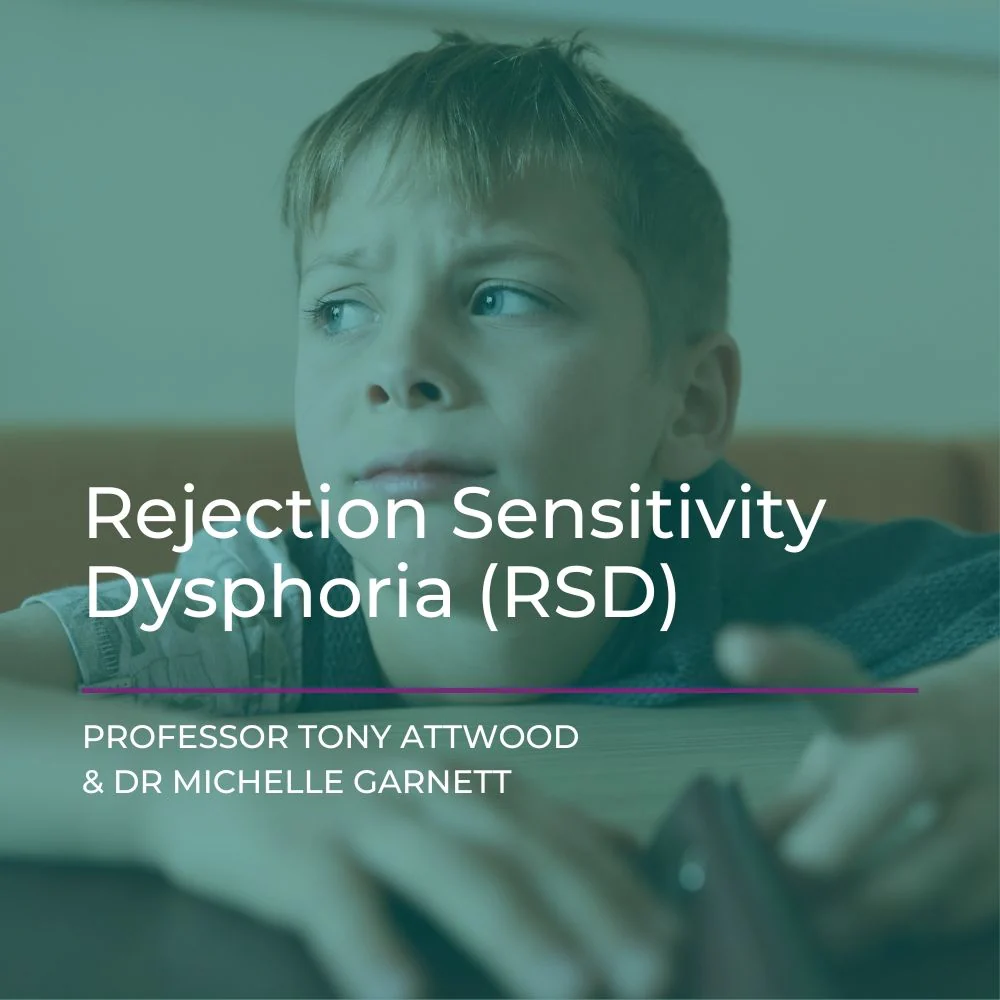
Rejection Sensitivity Dysphoria (RSD) is a term used to describe an extreme emotional reaction to perceived or actual rejection, criticism, failure, teasing, exclusion, or disapproval. The word “dysphoria” means intense emotional pain or distress.
In recent years, clinicians and researchers have explored rejection sensitivity in relation to social functioning and experiences, mood symptoms, and identity-related stress across children, adolescents, and adults.
RSD is becoming a widely used clinical and community term, especially in ADHD and autistic communities, but it remains somewhat controversial because:
- It is not formally recognised as a distinct disorder
- Research is still limited
- Symptoms overlap with anxiety, trauma, mood disorders, and emotional dysregulation
However, many people find that the concept accurately describes their experience of intense sensitivity to rejection or criticism.
We will explain what triggers RSD, its core features, the typical contexts in which it occurs, and its functional and long-term implications based on our extensive clinical experience and a review of the relevant research literature.
Our presentation is suitable for autistic adolescents and adults, parents and family members, mental‑health clinicians, educators, and support workers.
Description
Rejection Sensitivity Dysphoria (RSD) is a term used to describe an extreme emotional reaction to perceived or actual rejection, criticism, failure, teasing, exclusion, or disapproval. The word “dysphoria” means intense emotional pain or distress.
In recent years, clinicians and researchers have explored rejection sensitivity in relation to social functioning and experiences, mood symptoms, and identity-related stress across children, adolescents, and adults.
RSD is becoming a widely used clinical and community term, especially in ADHD and autistic communities, but it remains somewhat controversial because:
- It is not formally recognised as a distinct disorder
- Research is still limited
- Symptoms overlap with anxiety, trauma, mood disorders, and emotional dysregulation
However, many people find that the concept accurately describes their experience of intense sensitivity to rejection or criticism.
We will explain what triggers RSD, its core features, the typical contexts in which it occurs, and its functional and long-term implications based on our extensive clinical experience and a review of the relevant research literature.
Our presentation is suitable for autistic adolescents and adults, parents and family members, mental‑health clinicians, educators, and support workers.