Original: $93.68
-70%$93.68
$28.10The Story
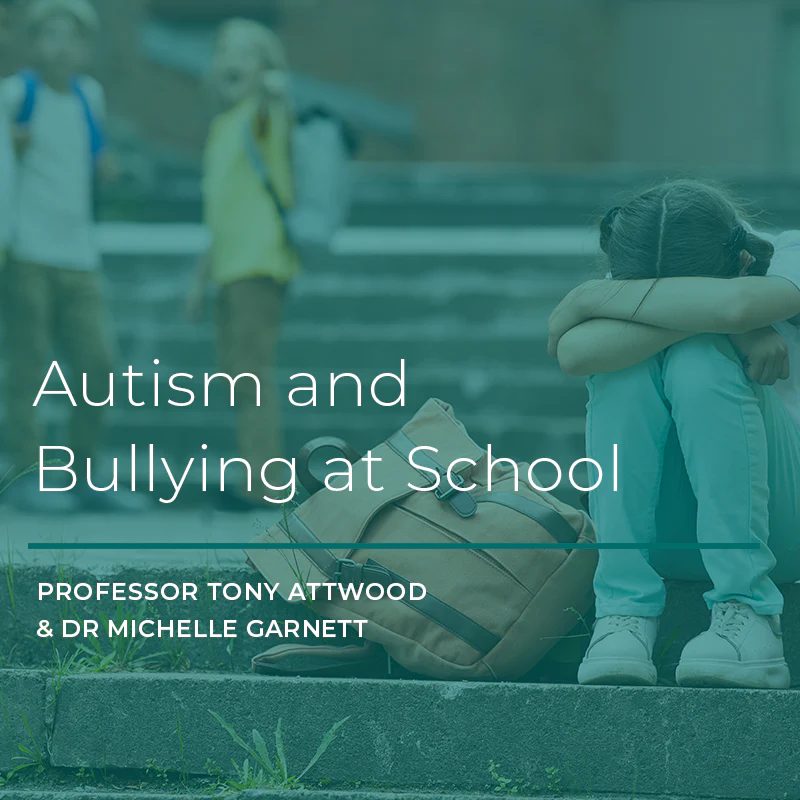
The majority of autistic children and adolescents have experienced frequent bullying by peers. Parents, teachers, and psychologists are very concerned about the psychological consequences which include school refusal, suspension, depression and trauma. Research on the prevalence rates of bullying for autistic children shows that 40% experience daily bullying and a further 33% experience bullying two to three times a week. This contrasts with the prevalence of being a target for bullying for typical children of only 10%.
The webcast will focus on why autistic students are more likely to be bullied than their peers, the psychological effects of bullying on autistic boys and girls, and how they can acquire appropriate reactions and strategies to reduce the frequency and type of bullying. There also needs to be a whole school approach to bullying that includes the autistic child, peers, teachers, and school administration.
Description
The majority of autistic children and adolescents have experienced frequent bullying by peers. Parents, teachers, and psychologists are very concerned about the psychological consequences which include school refusal, suspension, depression and trauma. Research on the prevalence rates of bullying for autistic children shows that 40% experience daily bullying and a further 33% experience bullying two to three times a week. This contrasts with the prevalence of being a target for bullying for typical children of only 10%.
The webcast will focus on why autistic students are more likely to be bullied than their peers, the psychological effects of bullying on autistic boys and girls, and how they can acquire appropriate reactions and strategies to reduce the frequency and type of bullying. There also needs to be a whole school approach to bullying that includes the autistic child, peers, teachers, and school administration.