The Story
An autistic life is not an easy life. There is the potential for great stress and chronic mental and physical exhaustion from trying to cope with social and sensory experiences, being misunderstood and criticised, high levels of anxiety and, for many reasons, not feeling in touch with or able to be the authentic self and trying to cope with non-autism-friendly circumstances and attitudes.
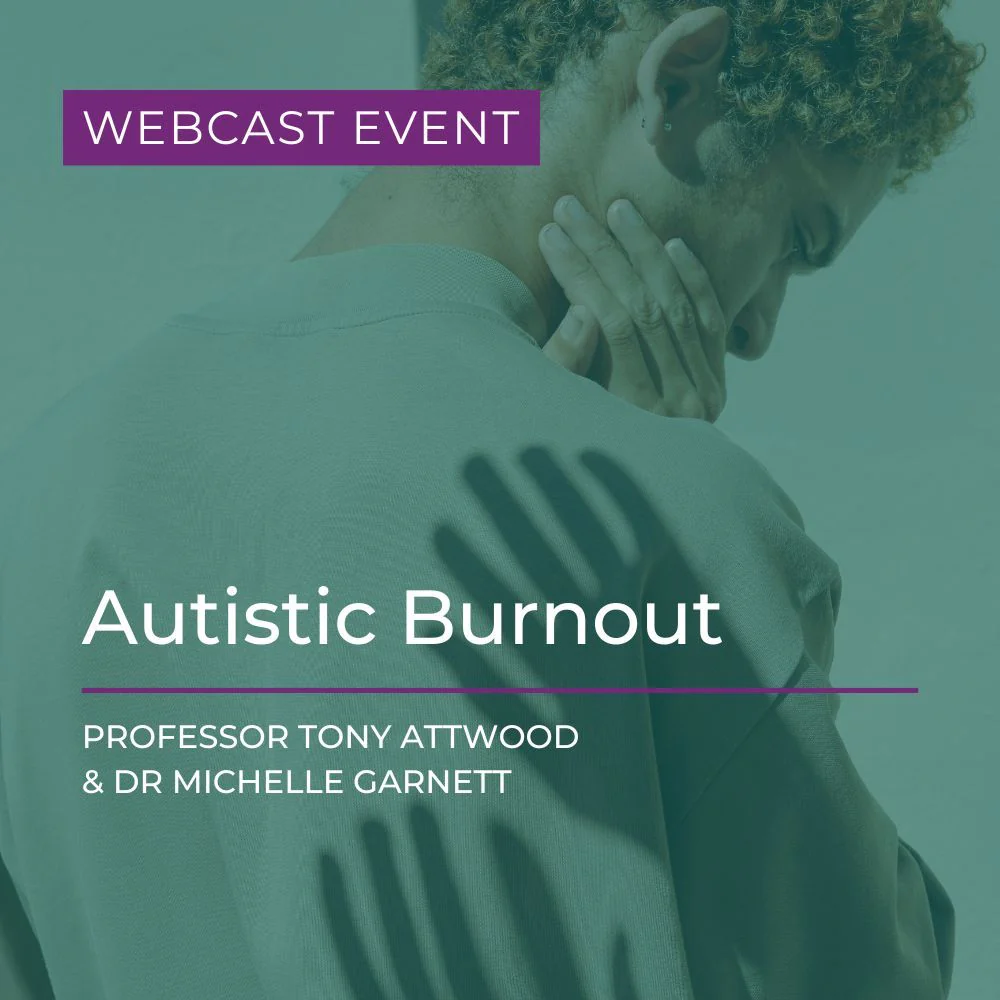
Stress can build up over time, and lead to Autistic Burnout which is characterised by increased social withdrawal, a form of ‘hibernation’, reduced executive functioning and the potential to evolve into a clinical depression. Although the concept of Autistic Burnout is relatively new, we now have a range of strategies to recognise the signs and to recover from Autistic Burnout.
Description
An autistic life is not an easy life. There is the potential for great stress and chronic mental and physical exhaustion from trying to cope with social and sensory experiences, being misunderstood and criticised, high levels of anxiety and, for many reasons, not feeling in touch with or able to be the authentic self and trying to cope with non-autism-friendly circumstances and attitudes.
Stress can build up over time, and lead to Autistic Burnout which is characterised by increased social withdrawal, a form of ‘hibernation’, reduced executive functioning and the potential to evolve into a clinical depression. Although the concept of Autistic Burnout is relatively new, we now have a range of strategies to recognise the signs and to recover from Autistic Burnout.