The Story
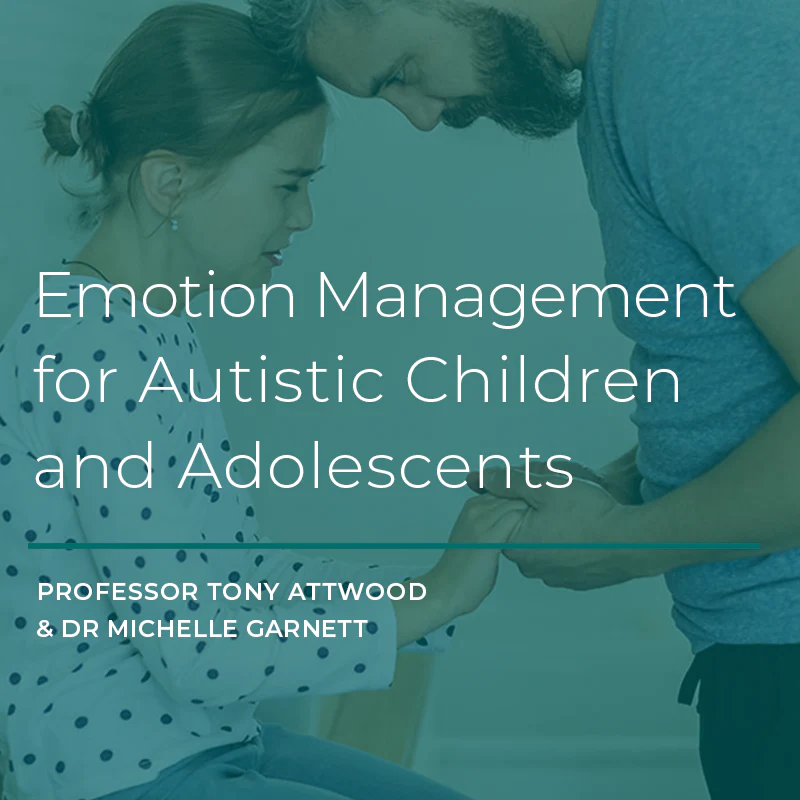
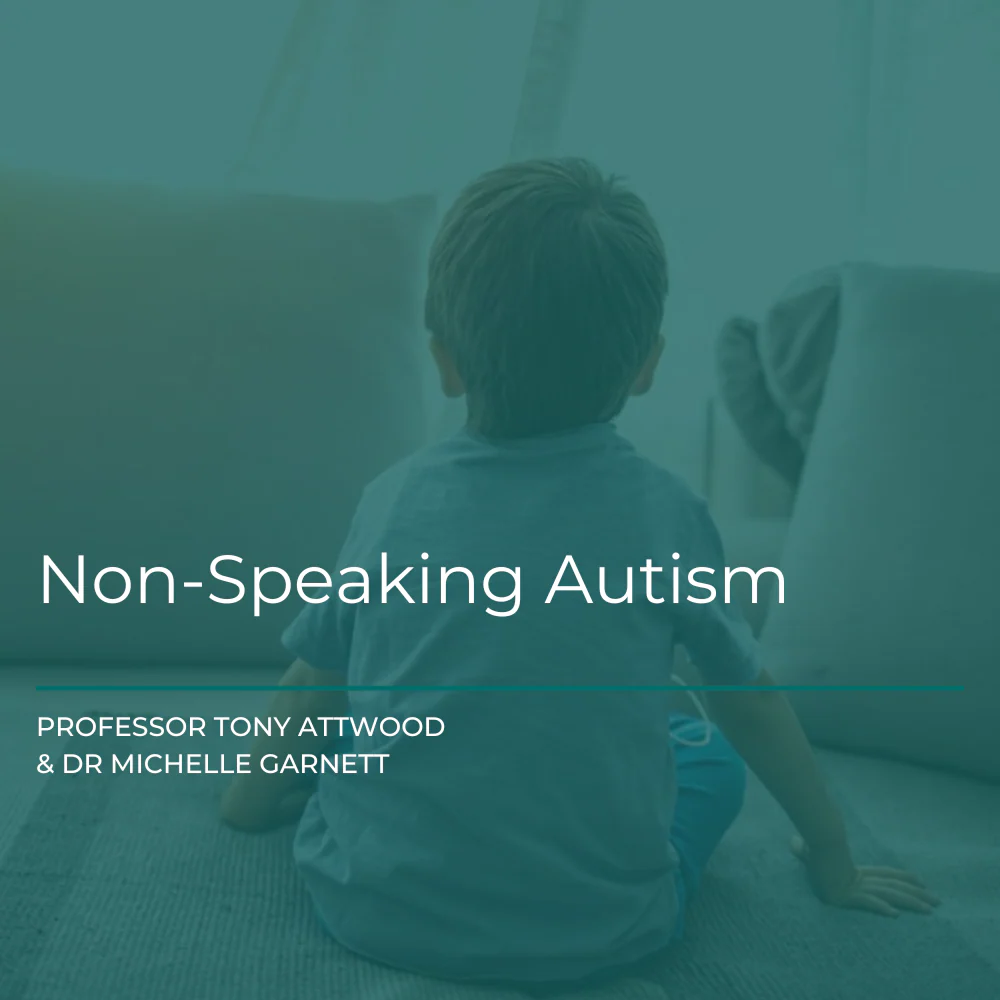
Not being able to articulate thoughts, feelings, and choices using speech can lead to considerable distress for the autistic person and those who support them at home, school and in recreational and occupational activities. The distress can be expressed by agitated behaviour, destruction, and self-harm and can result in several issues, including exclusion from school and community events and burn-out for parents, carers, and professionals.
Participants will learn practical strategies to encourage speech, the value of alternative and augmentative communication systems, how to acquire new abilities and coping mechanisms for accommodating changes in routines and expectations, sensory sensitivity, and social engagement, and how to express and regulate intense emotions constructively.
The programme is based on scientific research, clinical wisdom and autobiographies of autistic adults who were non-speaking in childhood.
Description
Not being able to articulate thoughts, feelings, and choices using speech can lead to considerable distress for the autistic person and those who support them at home, school and in recreational and occupational activities. The distress can be expressed by agitated behaviour, destruction, and self-harm and can result in several issues, including exclusion from school and community events and burn-out for parents, carers, and professionals.
Participants will learn practical strategies to encourage speech, the value of alternative and augmentative communication systems, how to acquire new abilities and coping mechanisms for accommodating changes in routines and expectations, sensory sensitivity, and social engagement, and how to express and regulate intense emotions constructively.
The programme is based on scientific research, clinical wisdom and autobiographies of autistic adults who were non-speaking in childhood.