Original: $178.21
-70%$178.21
$53.46The Story
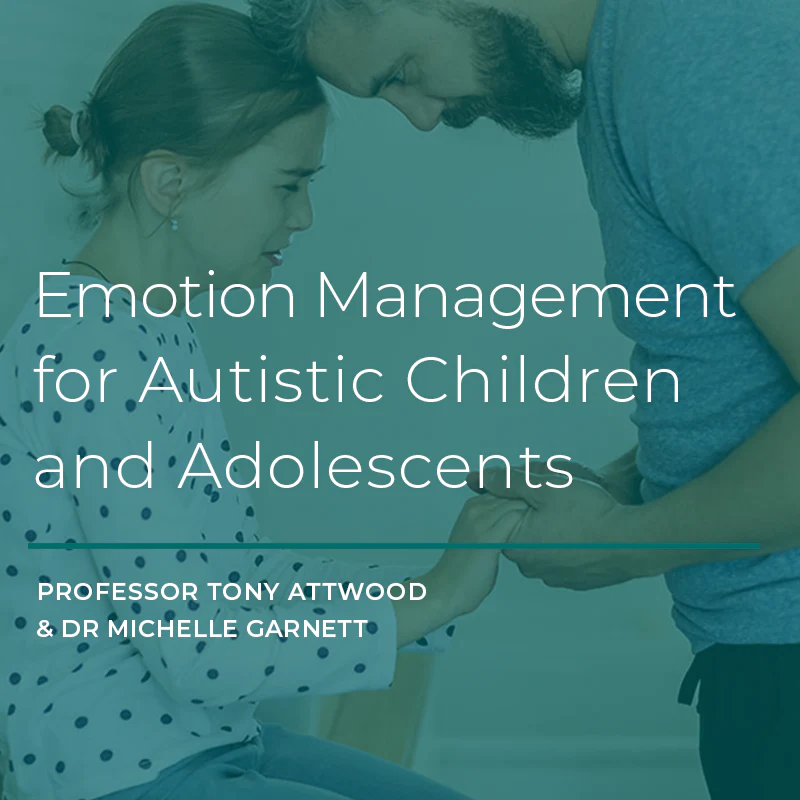
Autistic children and adolescents often struggle to understand and express emotions, resulting in high levels of anxiety, stress, anger and/or depression.
Conventional strategies that encourage emotion management for typical children do not seem to be as effective with autistic children. The child’s quality of life, self-esteem and well-being will be influenced by their ability to manage emotions and difficulties with emotion management can lead to being suspended and having a notoriety that will affect the attitude of teachers and peers as well as the attitude of the child to themselves.
Through several decades of working with autistic children and adolescents and their families and schools, Michelle and Tony have discovered, developed and evaluated emotion management strategies based on Mindfulness and Cognitive Behaviour Therapy that have proven to be effective in assisting autistic children to learn about and manage their emotions from anxiety to love.
Module Breakdown
Module 1: Understanding the behaviour and emotion management problems of autism. Participants will be able to understand the potential reasons behind emotion management problems and challenging behaviour for autistic children and teenagers. Participants can generate hypotheses about why the individual is dysregulated or defiant and use them to inform their behavioural plan.
Module 2: Recognising anxiety and anger, how both emotions often underpin behaviour problems in autism and how to manage anger and anxiety in the classroom and beyond. Participants will be able to recognise high levels of anxiety in their autistic individuals, and the triggers for this anxiety. Participants will be able to establish clear expectations of pro-social behaviour. Participants will be able to understand and begin to plan to implement strategies at home or school to support their autistic child or student.
Module 3: Explicitly teaching about emotions and social awareness in the classroom and beyond. Participants can recognise the early signs of escalating emotion in autistic individuals. Participants can explicitly teach social and emotional awareness in the classroom and beyond.
Module 4: Preventing and managing violent or potentially violent episodes. Participants will have a plan to implement strategies for preventing and managing violent or potentially violent episodes with autistic individuals.
Description
Autistic children and adolescents often struggle to understand and express emotions, resulting in high levels of anxiety, stress, anger and/or depression.
Conventional strategies that encourage emotion management for typical children do not seem to be as effective with autistic children. The child’s quality of life, self-esteem and well-being will be influenced by their ability to manage emotions and difficulties with emotion management can lead to being suspended and having a notoriety that will affect the attitude of teachers and peers as well as the attitude of the child to themselves.
Through several decades of working with autistic children and adolescents and their families and schools, Michelle and Tony have discovered, developed and evaluated emotion management strategies based on Mindfulness and Cognitive Behaviour Therapy that have proven to be effective in assisting autistic children to learn about and manage their emotions from anxiety to love.
Module Breakdown
Module 1: Understanding the behaviour and emotion management problems of autism. Participants will be able to understand the potential reasons behind emotion management problems and challenging behaviour for autistic children and teenagers. Participants can generate hypotheses about why the individual is dysregulated or defiant and use them to inform their behavioural plan.
Module 2: Recognising anxiety and anger, how both emotions often underpin behaviour problems in autism and how to manage anger and anxiety in the classroom and beyond. Participants will be able to recognise high levels of anxiety in their autistic individuals, and the triggers for this anxiety. Participants will be able to establish clear expectations of pro-social behaviour. Participants will be able to understand and begin to plan to implement strategies at home or school to support their autistic child or student.
Module 3: Explicitly teaching about emotions and social awareness in the classroom and beyond. Participants can recognise the early signs of escalating emotion in autistic individuals. Participants can explicitly teach social and emotional awareness in the classroom and beyond.
Module 4: Preventing and managing violent or potentially violent episodes. Participants will have a plan to implement strategies for preventing and managing violent or potentially violent episodes with autistic individuals.